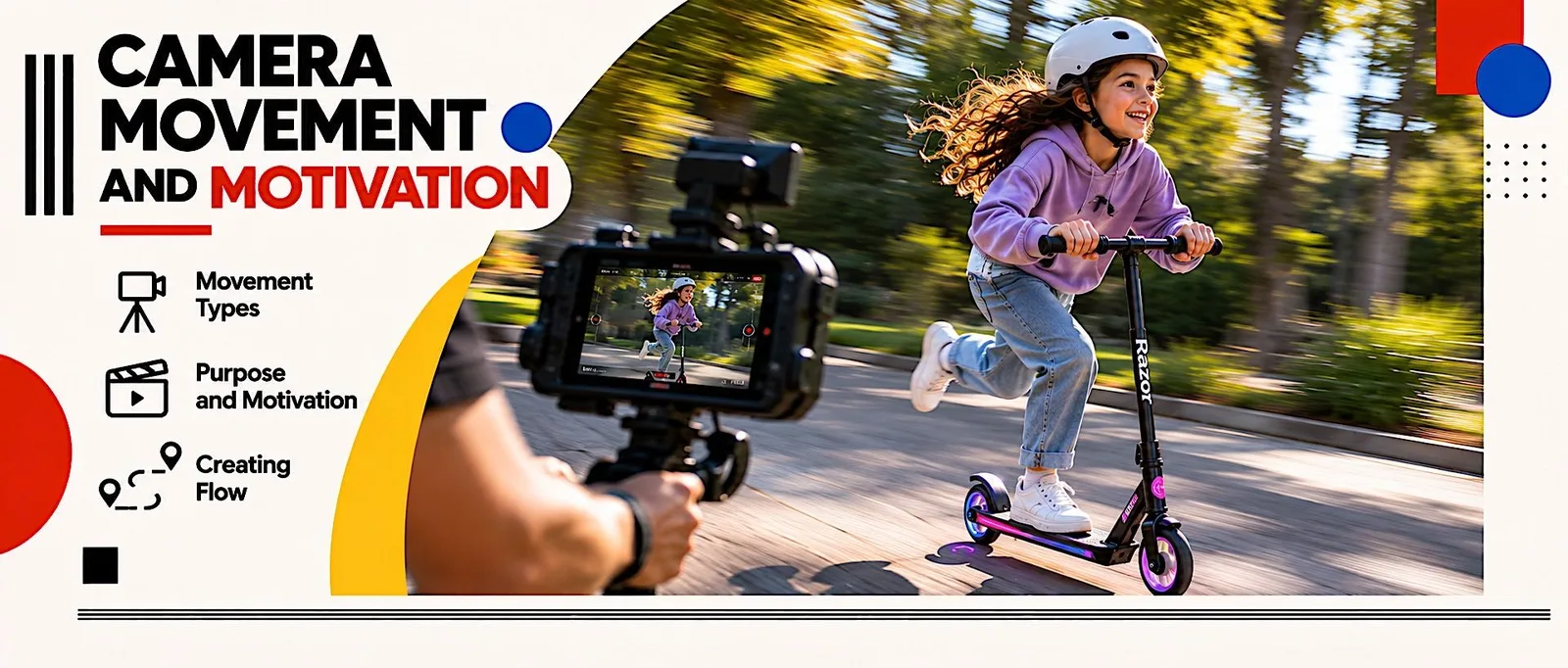
Camera Movement and Motivation
Every move needs a reason.
Keep your one-sheet in front of you. Every numbered section here matches a section on your sheet.
A close-up is born
In 1900, George Albert Smith used one of the first closeups in cinema. Filmmakers usually kept their cameras wide, assuming anything closer would confuse the audience.
That changed when Smith cut from a wide shot to a closeup so the audience could see a kitten eating in more detail. The cut felt natural, audiences loved it, and the closeup was born.
Six moves to know by name
Almost every shot you film uses one of these. Learn the names, because we use them on set every day.

Pan
Turns left or right on the spot, like turning your head.
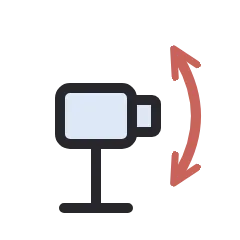
Tilt
Tips up or down on the spot, like nodding your head.
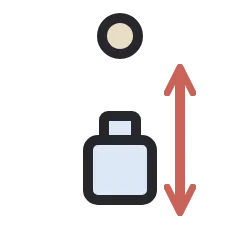
Dolly in / out
The whole camera rolls toward the subject or away from it.
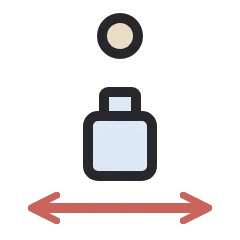
Track
The whole camera slides sideways, next to the subject.
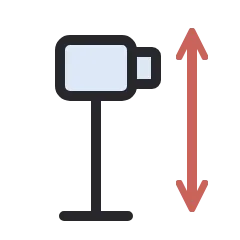
Pedestal
The whole camera rises or lowers and stays level.
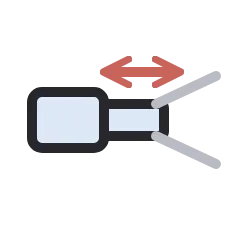
Zoom
The camera stays put. Only the lens moves in or out.
Quick check: pan and tilt turn the camera. Dolly, track and pedestal move the whole camera. Zoom moves only the lens.
The most common camera moves
Motivate: to give a reason
Remember the big idea: to motivate means to give a reason. That is the key to everything in this section.
MOTIVATED MOVEMENT The camera moves because something in the story gives it a reason to. A character walks, that's the reason the camera follows. A character looks up, that's the reason the camera tilts. The story motivates the move. It feels natural because the camera is behaving like a person: going where the action leads it.
UNMOTIVATED MOVEMENT The camera moves without a reason from the story. No character walked anywhere, no character looked at anything. The director simply decided it was time for you to see something. There is no motive, just a choice. It feels powerful, eerie, or unsettling because the camera is suddenly behaving like a ghost: moving on its own.
Real examples
The Conformist, unmotivated example 1 A character sits on a bench. Instead of staying on him, the camera slides sideways until a tree blocks our view entirely. No character told it to do that. The director is withholding information from us on purpose.
The Conformist, unmotivated example 2 A character walks down a corridor toward the camera, but the camera moves away from him in the opposite direction. It feels wrong and eerie. That's the point.
The dolly zoom, the Hitchcock shot
One of the most famous unmotivated camera moves in film history. Used to convey dread, paranoia, isolation, and impending danger.
How it works:
The camera physically moves away from the subject (dolly back)
While simultaneously zooming in on the subject
The result: the subject stays the same size, but the world behind them warps and stretches
Jaws, the dolly zoom in action Chief Brody watches a shark attack from the beach. The dolly zoom hits, his face stays locked in frame while the beach behind him distorts. His world is literally falling apart. No dialogue needed. The camera does it all.
Student work
Your assignment
Assignment 04: Pictorial Continuity and Coverage. In groups of three (two actors and a camera operator, who write and direct together), film a conversation with sound from three angles, add one motivated and one unmotivated camera move (each one of the six moves above), and intercut it in iMovie.